ABOUT
SPY HOP

Learn more about the origins of Spy Hop and how we bring our mission to life.


Spy Hop’s mission is to mentor young people in the media arts to help them to find their voice, tell their stories, and effect positive change in their lives, communities, and the World.

About spy hop

our history

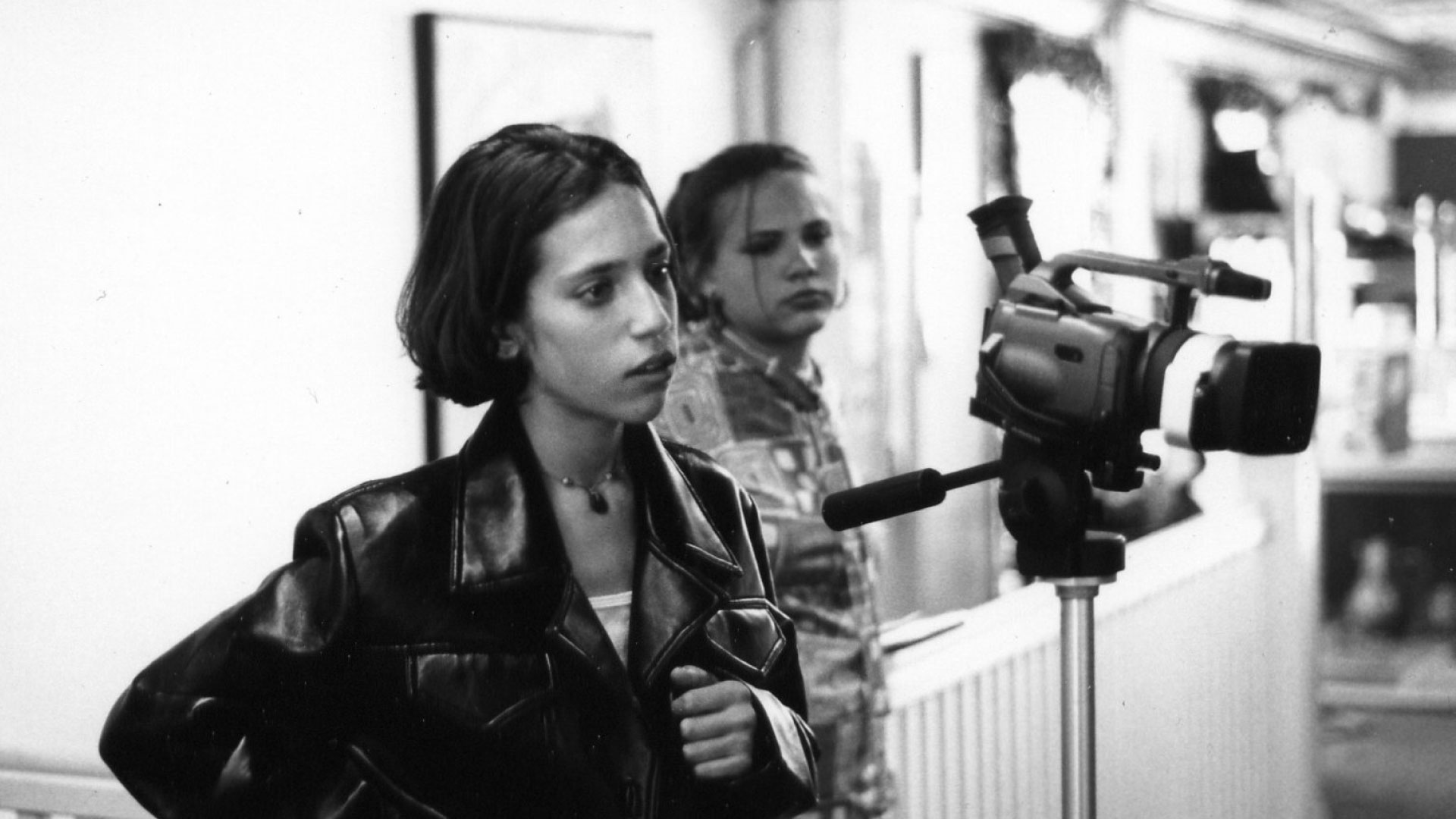
Spy Hop was born from a simple but powerful belief: young people, given the right tools and mentorship, tell stories that matter. Our co-founders began mentoring youth in video production as part of a tutoring program in the late 90’s. They started with this revolutionary idea: what if we handed them cameras and let them tell their own stories? They started with 12 students documenting the turn of the century, then ended with 12 students and a finished documentary film that aired on HBO.

In 1999, they spun off the film program into its own nonprofit. Spy Hop was officially born.

Why are we called Spy Hop? The term “Spy Hop” comes from whales and dolphins, where they raise their eyes above the waterline, spin slowly, take in their surroundings, and decide where to go next. We exist to help young people do exactly that: rise up, tune in, and make sense of the world.
Over the next two decades, Spy Hop grew from a scrappy idea into a cornerstone of the Salt Lake arts community, launching programs in film, audio, music, and design.

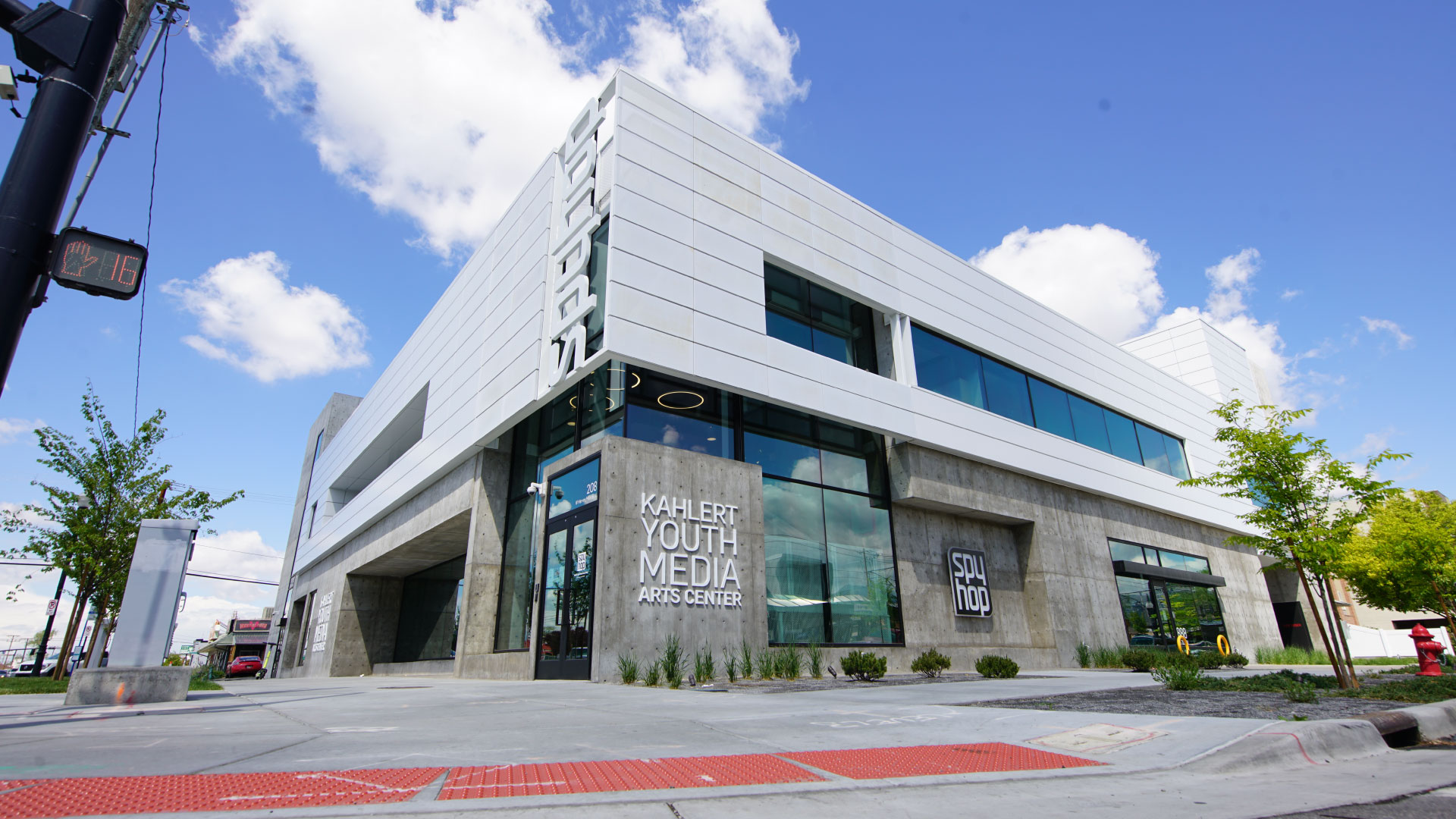
In 2020, after years of fundraising, planning, and navigating everything from contaminated soil to a global pandemic, Spy Hop moved into the Kahlert Youth Media Arts Center in the Central 9th District. It’s a permanent home, built for the work and the community we serve. After over 25 years, the mission is the same: help young people find their voice and share it with the world.
our history

How we do it

PROCESS
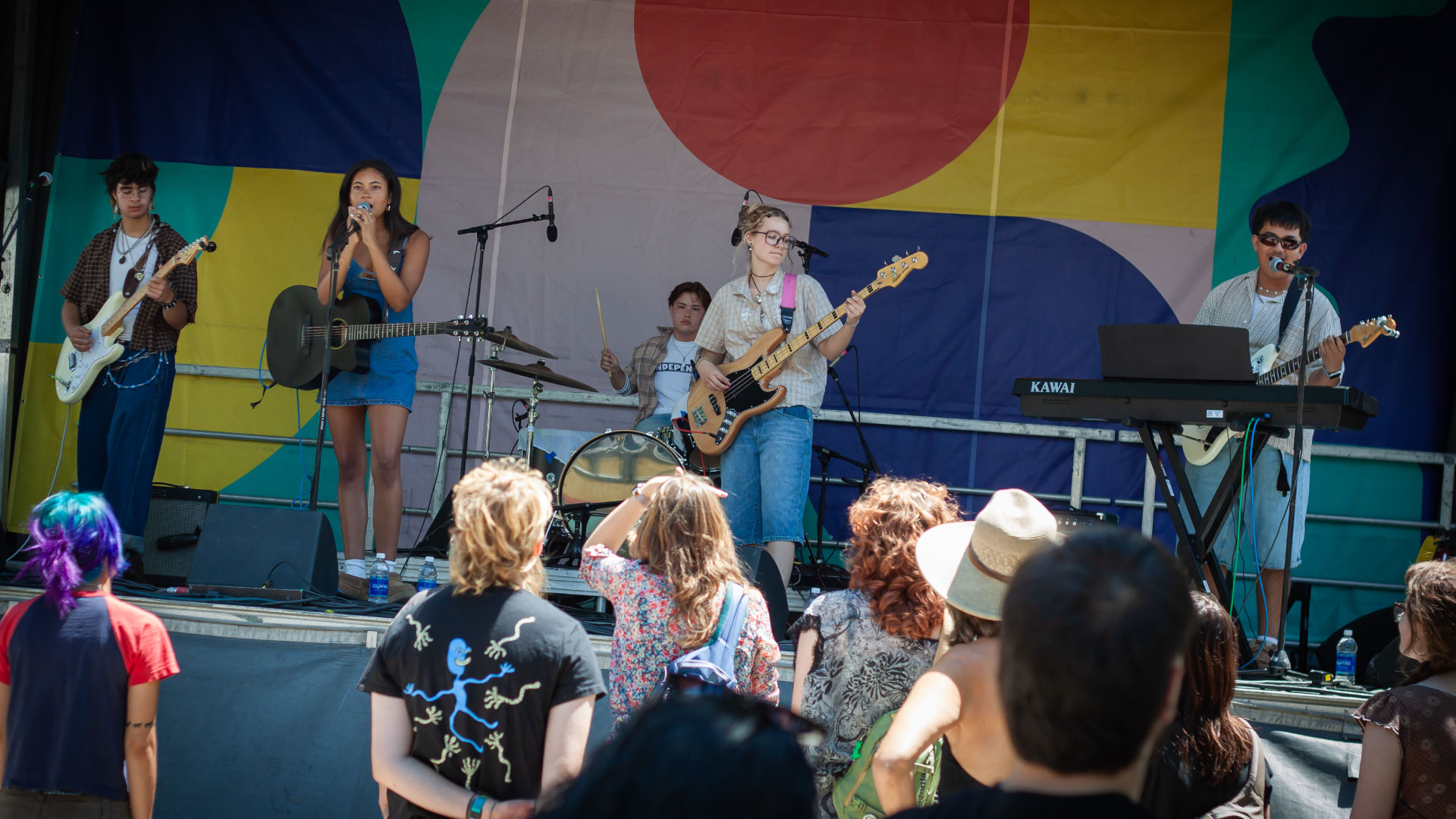
The Spy Hop Way is a youth-centered approach rooted in mentorship, media arts, and authentic creative expression. It blends professional training, youth-powered spaces, and real-world production to help young people tell their stories, build confidence, and gain future-ready skills in a supportive community.

FACILITY
Our campus, the Kahlert Youth Media Arts Center, is designed with students in mind—creating a youth-powered space for collaboration and joy. From our snack shack to our learning labs, it’s a beacon of creativity and learning for young aspiring media artists of all skill levels.

COMMUNITY
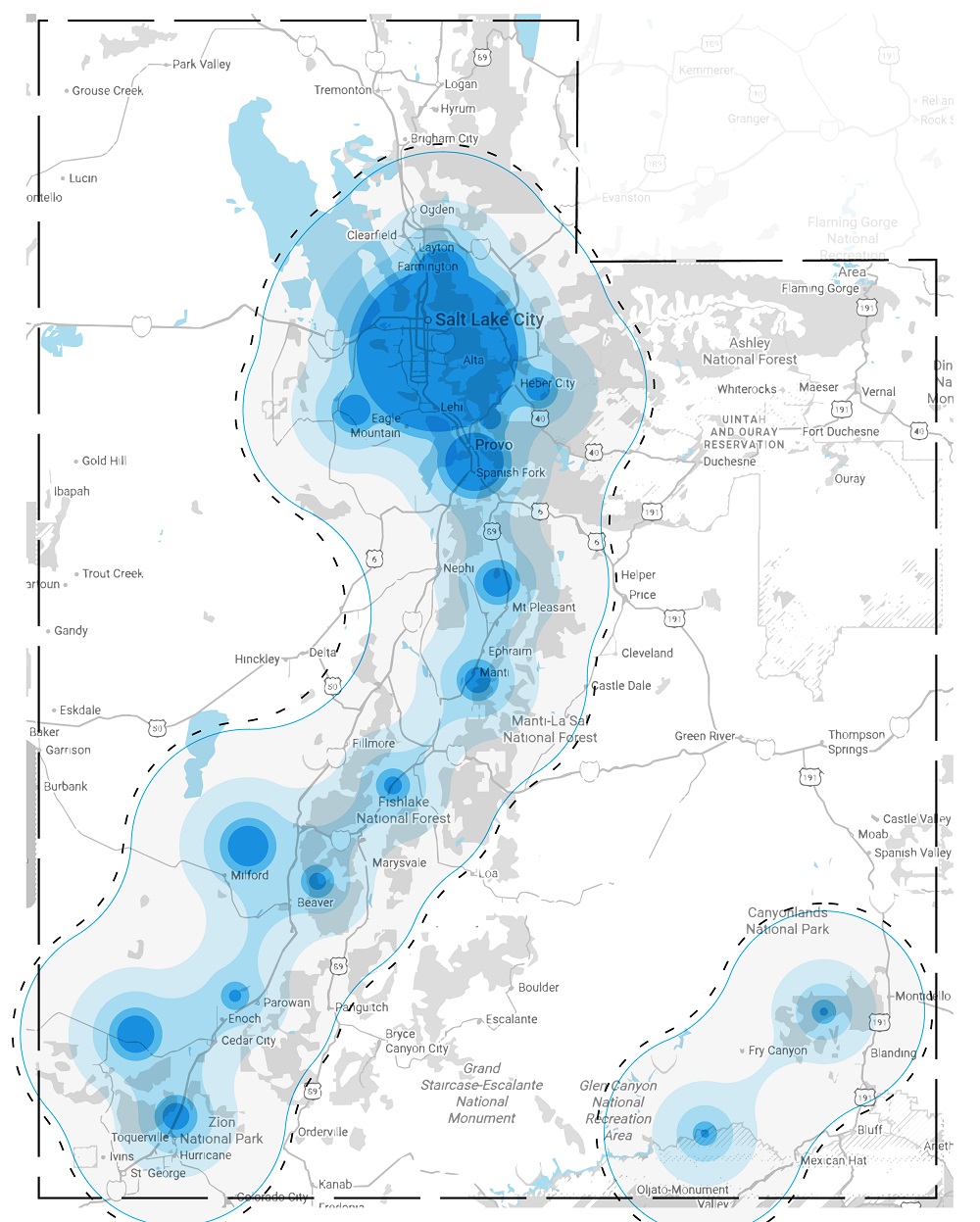
We believe every young person in Utah deserves access to our programs—not just those who can make it to our building in Salt Lake City. That’s why we partner with schools, youth development centers, secure care facilities, and organizations across the state to bring our programs directly to them, meeting youth where they are. Through these partnerships, we’re able to extend our reach beyond what’s possible within our four walls, ensuring that geography is never a barrier to creative opportunity.

How we do it

a place for youth to share their voices

We stand for

youth empowerment and belonging

We nurture

appreciation and respect for the arts

We emphasize

human-centered mentorship

We are

preparing the next generation

by the numbers: a year at spy hop

by the numbers: a year at spy hop

10,183

students across all of Utah

From urban neighborhoods to rural communities, our programs create spaces for transformative self-discovery and community connection, meeting young people where they are and investing in their futures.

8-25
AGE RANGE

We know that journeys of self-expression and artistic growth are rarely a straight path.

Our educational philosophy centers on a scaffolded, student-focused model that nurtures artistic, technical, and social-emotional development at every age and stage of their creative journey.

689
creative projects

A creative project at Spy Hop can be almost anything: a simple drawing, a song, or a 20-minute short film directed over the course of a year. What matters isn’t the scale, it’s the story. Each project represents a young person finding their voice, sharing their experience, and showing the world how they see it.

10
artist mentors

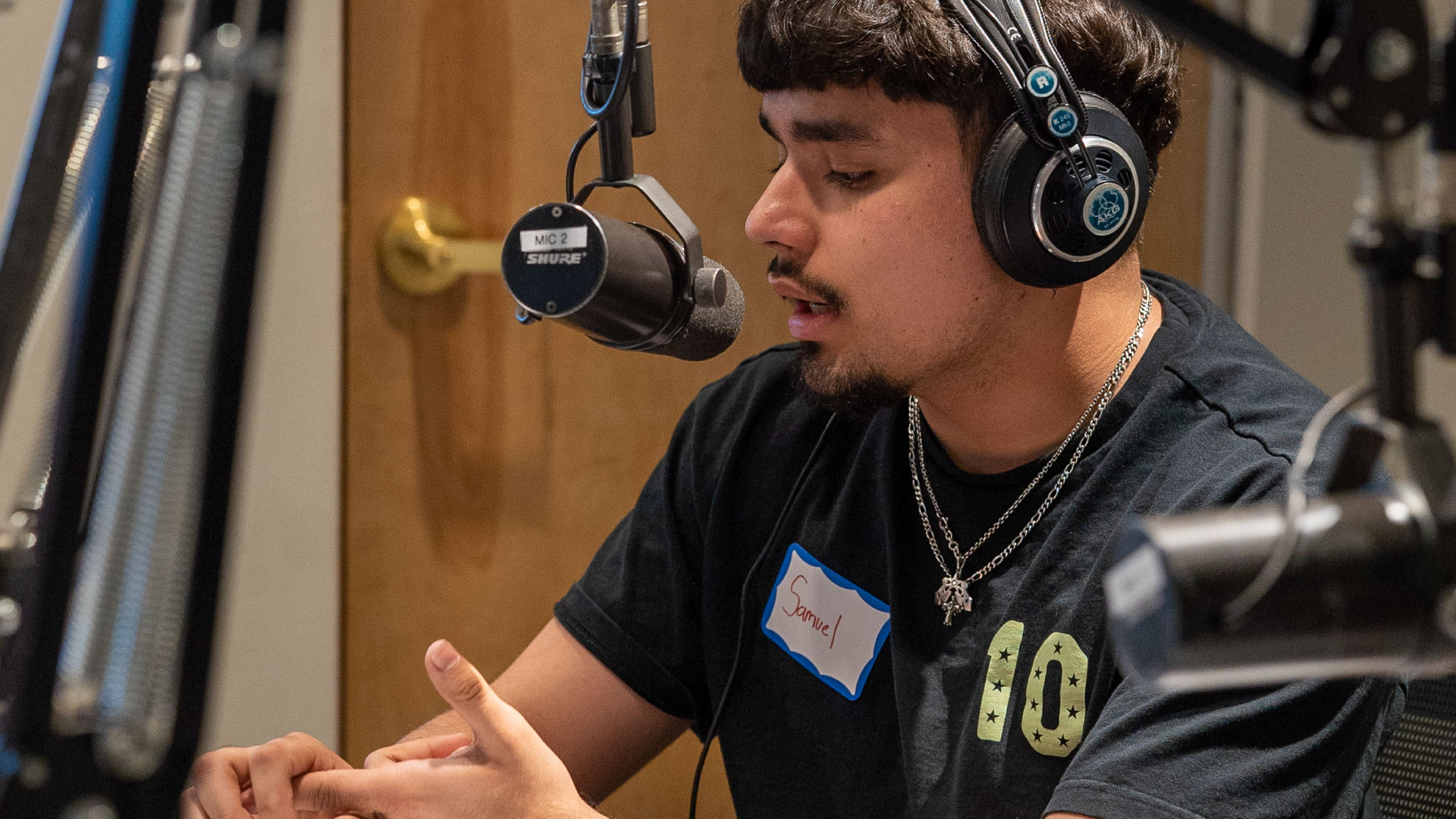
Our mentors are professional artists who bring years of real-world creative practice into the classroom, alongside deep expertise in relationship-building, culturally responsive teaching, and trauma-informed care. By embedding full-time artist mentors at the center of our programs, young people don’t just learn technical skills; they find trusted adults who see them, challenge them, and champion their voice. The result is a community where youth thrive, artists are valued, and the creative economy grows stronger. When you invest in artists as mentors, everyone benefits, and Spy Hop is living proof.

DOWNLOAD THE IMPACT REPORT

film
music
AUDIO
dESIGN
amplify
youth
voice
<span>film </span>
<span>music </span>
<span>AUDIO </span>
<span>dESIGN</span>

Youth Matters

resources

SUPPORT YOUR LOCAL COMMUNITY

If access to arts programs in Utah is important to you, donate today to help extend our reach. Your gift does something simple and powerful: it gives a young person the tools and space to find their voice. It helps a filmmaker tell their first story. A musician write their first song. A quiet kid find a place where they belong and people who listen. No red tape. No barriers. Just real support that changes lives.

And here’s what happens: those voices grow louder. Those stories reach further. That next generation? They start imagining and creating a better world.

2024-2025 Impact Report

Read our most recent impact report! Step into the journey of the latest year at Spy Hop—celebrating statewide stories of mentorship, students, and program impact.

Alumni Report

How participation in creative youth communities cultivates lasting impact on work, civic, and cultural engagement.

2022-2023 Evaluation Report

Learn about how students attending Spy Hop “glow up” and become their best selves through art, creativity, and belonging.

Podcasts, Prisons, and Pedagogies: How media arts spark new possibilities for incarcerated youth

Our program, Sending Messages, which brings podcasting to incarcerated youth in Utah, is the focus of this study from Mindy Faber (Convergence Design Lab, LLC) and Danielle Maude Littman (University of Utah College of Social Work).

The paper’s focus is to understand “(1) how the pedagogy of teaching artists enables incarcerated youth to communicate effectively to authentic audiences using the podcast medium and (2) how, in turn, the attitudes of adult audiences change as a result of listening to the podcast made by incarcerated youth.”